


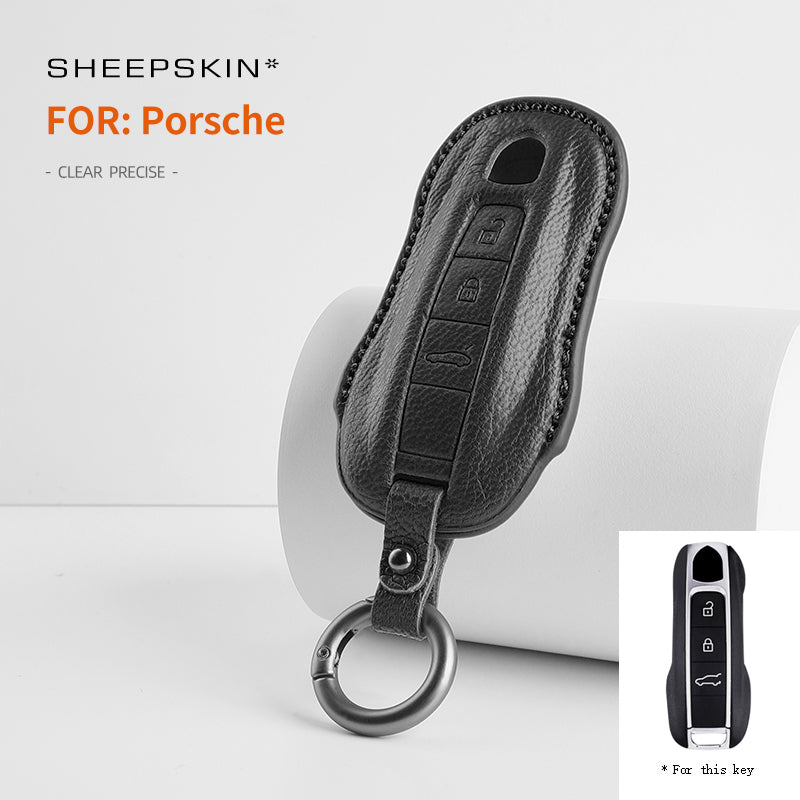
The short answer: a protective key cover does not affect your insurance and does not stop relay theft, because it leaves the key fully working - that is its purpose. A Faraday pouch does block the signal, and blocks your key too while it is inside. Insurers rarely require either, but several do ask how keys were stored after a keyless theft claim.
How relay theft works
Two people, two devices. One stands near your house with a relay that picks up the low-frequency signal your key emits constantly. The other stands by the car with a device that rebroadcasts it. The car believes the key is next to it, unlocks and starts. It takes under a minute and makes no noise.
The important part: the attack needs your key to be transmitting. Anything that leaves the key working leaves the attack possible.
Why a protective cover cannot stop it
A key fob cover made of suede, leather, silicone or TPU is deliberately transparent to radio. If it blocked the signal, your car would not unlock when you pressed the button. The two goals are mutually exclusive: you cannot have a cover that protects the key from scratches and also blocks the signal while you carry it.
This is also why you should be suspicious of any product marketed as both.
What does work
- A Faraday pouch or metal tin, used at home. Test it: put the key in, close it, and walk up to the car. If it unlocks, the pouch is not working. Pouches wear out - the lining cracks - so retest occasionally.
- Turning off the key's transmitter, if your car supports it. Several brands let you put the fob to sleep with a button sequence. Check your manual; it is free and it is the cleanest fix.
- A physical deterrent. A steering lock or an OBD port lock does not stop the unlock, but it stops the car leaving.
- A tracker, for recovery rather than prevention.
- Not leaving keys by the front door. Distance from the outside wall matters more than people expect.
The insurance question
Most UK policies do not require a signal-blocking pouch. What several insurers do ask after a keyless theft claim is where the keys were kept, whether the vehicle was locked, and whether any additional security was fitted. Some policies also list approved security devices that affect the premium.
The honest advice: read your own policy wording or call your insurer. Blog posts - this one included - cannot tell you what your specific policy says, and the answer varies by insurer and by vehicle.
What a cover is for
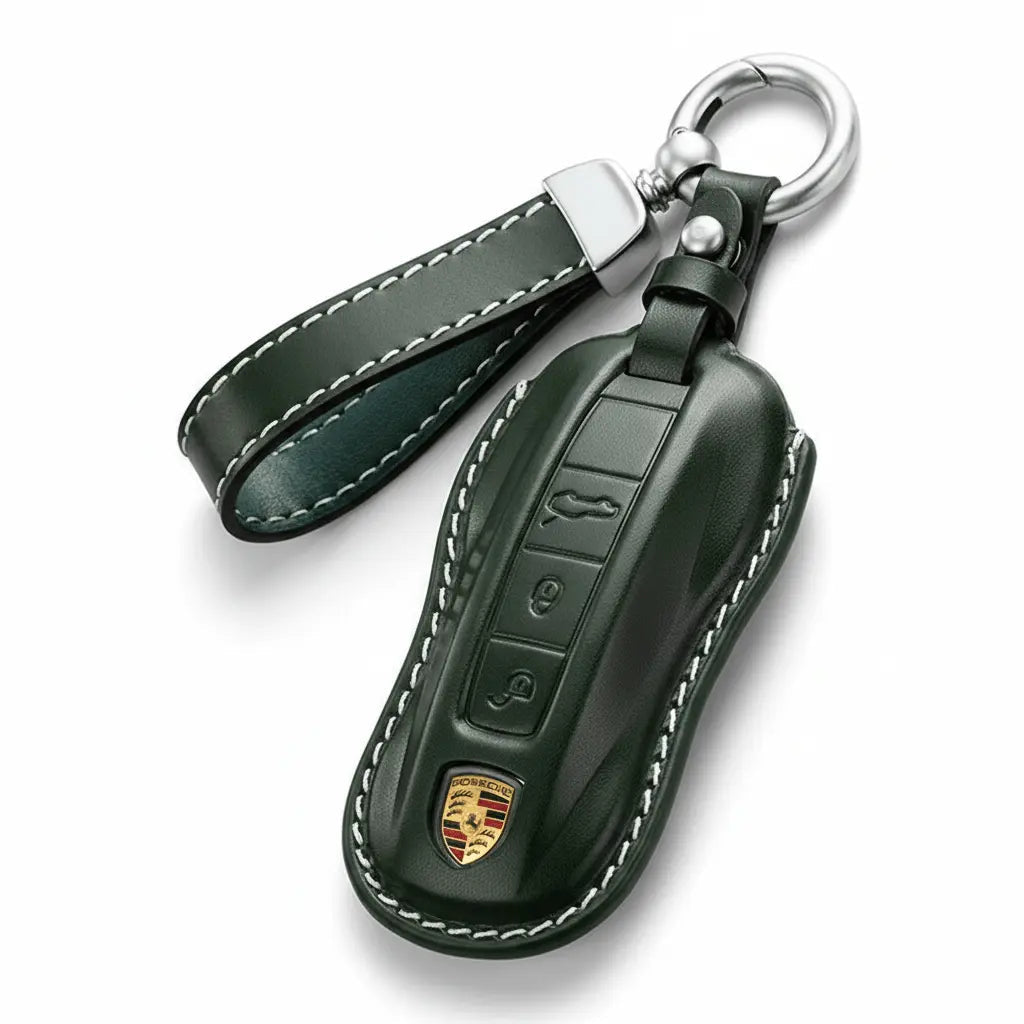
Scratches, scuffs, short drops and grip. That is the whole job, and it is a real one - a modern smart key is expensive to replace and lives in a pocket with coins. It is simply a different job from security.
Common questions
Does tin foil work? Wrapped completely and tightly, usually. But it tears, it fails silently the moment there is a gap, and you cannot tell when that has happened. A proper pouch costs a few pounds.
Will a Faraday pouch damage my key? No. It only blocks the signal while the key is inside.
Can I keep the key in a pouch all day? You can, but the car will not respond until you take it out - which defeats keyless entry entirely.
Do metal key cases block the signal? Partially, which is the worst of both worlds: enough to shorten your range, not enough to be security. More on materials and range here.
For the protective side of the job, browse Alcantara key covers or leather key covers, and check your key shape in the fitment guide first.

Leave a comment
This site is protected by hCaptcha and the hCaptcha Privacy Policy and Terms of Service apply.